Facebook Ads vs Google Ads in Dubai: Which Is Best for Your Business?
Share
Paid advertising is one of the fastest ways to grow a business in Dubai's competitive digital landscape. But when it comes to choosing the right platform — especially between Facebook Ads (now Meta Ads) and Google Ads — many founders and marketers struggle to decide where to invest their budget.
Each platform has unique strengths and is designed for different types of goals. Understanding the difference is essential if you want to maximize your ad spend, increase leads, and drive real ROI.
Here's a comprehensive breakdown tailored to Dubai businesses and what you need to know before you invest in paid advertising.
What Are Google Ads and Facebook Ads?
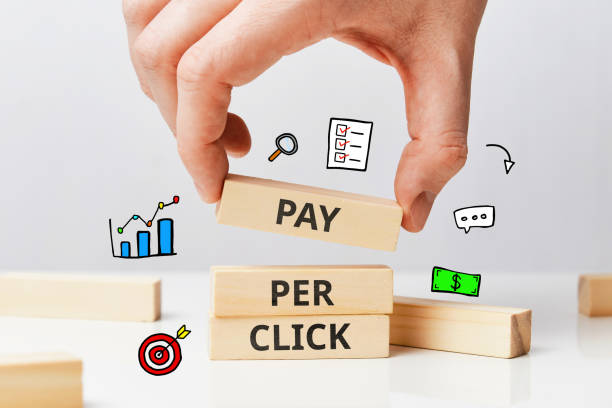
Google Ads is a pay-per-click platform built around search intent. When someone in Dubai searches for services or products you offer, your ads can appear at the top or bottom of the search results. Google Ads also serves display ads across millions of sites, video ads on YouTube, and shopping ads for eCommerce. Its strength lies in capturing users who are actively looking for a solution.
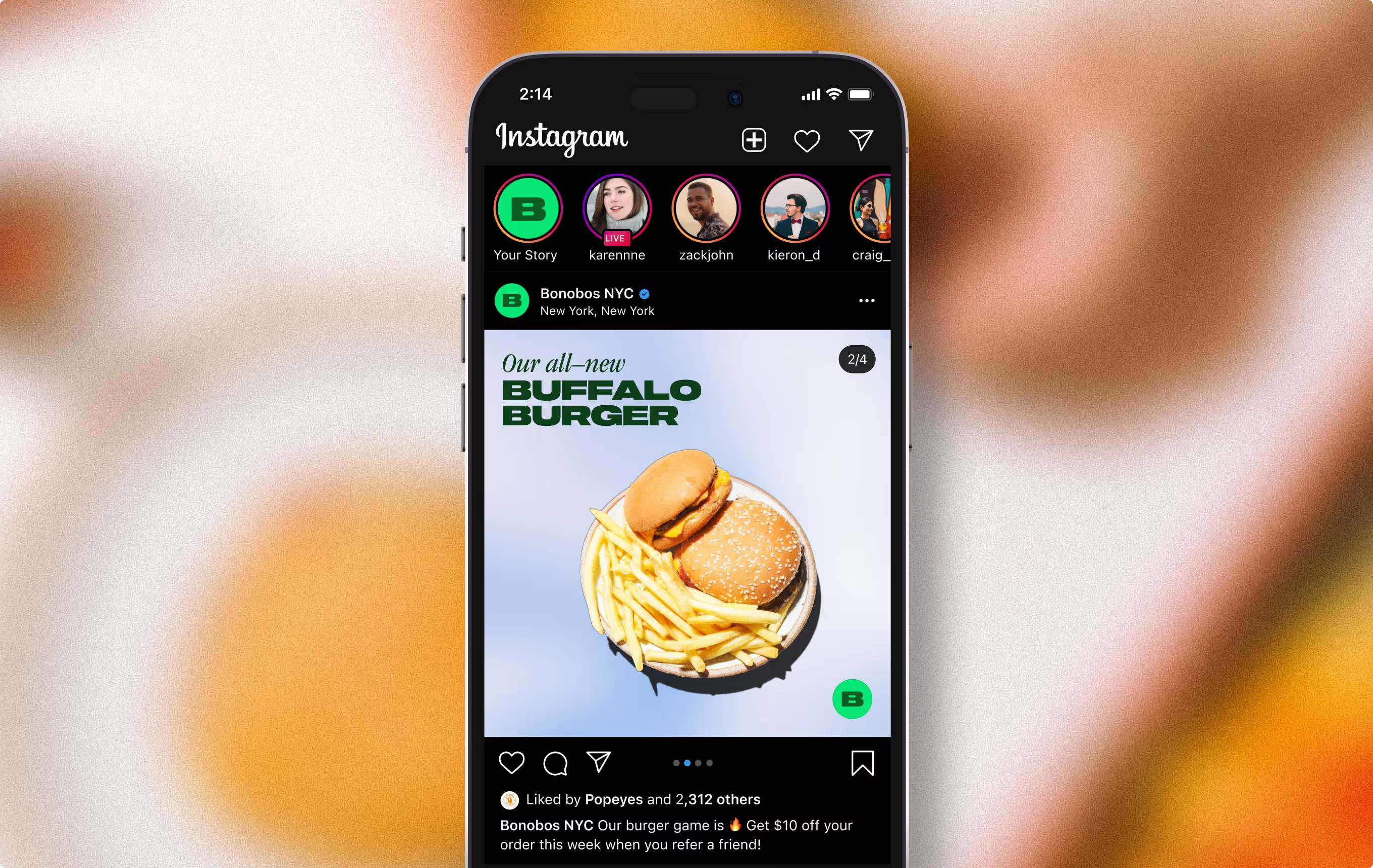
Facebook Ads (Meta Ads) use demographic, interest, and behavior-based targeting on platforms across Meta's ecosystem — including Facebook, Instagram, and Messenger. These ads are exceptional at building brand awareness and engaging users who may not yet be actively searching for your product but fit your ideal customer profile.
In other words, Google Ads is intent-driven, and Facebook Ads are audience-driven.
How They Approach the User Journey
Google Ads works by showing your message when someone is already searching for something related to your business. This means the user has some level of intent — they are closer to making a decision. For example, someone searching for "web design agency Dubai" or "best luxury hotel deals Dubai" is already partway down the funnel.
By contrast, Facebook Ads puts your message in front of people while they scroll through their feed — before they have expressed explicit intent. The strength here is demand creation, not just demand capture. This makes Facebook ideal for brand awareness campaigns, product discovery, and nurturing audiences earlier in their buying journey.
Both approaches have a place — the key is knowing when and how to use each.
Targeting and Ad Formats: How They Differ
Google Ads predominantly uses keyword targeting. You bid on terms that potential customers are searching for, and your ads appear when those searches happen. This makes Google effective at capturing "ready-to-buy" traffic.
Facebook Ads, on the other hand, shines at audience segmentation. You can target users based on interests, demographics, behaviors, and even custom audiences derived from your own customer lists.
In terms of formats, Google Ads primarily includes:
- Search ads
- Display banners
- Shopping ads
- Video ads (YouTube)
Facebook/Meta provides:
- Image ads
- Video ads
- Carousel ads
- Collection ads
- Stories and Reels ads
This gives Meta Ads more creative and visual flexibility, making it easier for brands to tell stories, showcase products, and engage users.
Intent vs Awareness: Choosing What Matters Most
The main difference between these platforms comes down to intent.
Google Ads targets users with active intent — people who are searching for solutions. It is one of the most powerful ways to drive top-of-funnel traffic into conversions because the user is already demonstrating a need.
Facebook Ads excels at building interest and creating demand. Instead of waiting for someone to search for your product, these ads introduce your brand to people who match your ideal customer profile and bring them into your ecosystem.
For example, if you sell customer service software, a potential buyer might not search for it today. But through well-targeted Meta Ads, you put your brand in front of that person long before they decide to make a purchase.
Cost, ROI, and Budget Considerations
Costs on these platforms vary — and not just by industry, but by user intent and competition.
Google Ads generally has higher cost-per-click (CPC) because you're targeting high-intent keywords. This can result in higher conversion rates, but also higher costs if your campaign isn't optimized properly.
By contrast, Facebook Ads often has a lower CPC, especially for engagement and awareness campaigns. This makes it more accessible for smaller budgets and early-stage brand growth.
However, ROI isn't just about cost per click. It also depends on your business goals. If you need fast lead generation for service businesses (like legal, finance, or real estate), Google Ads typically delivers quicker conversions. Facebook Ads is more ROI-driven when used to nurture audiences and build demand over time.
When Each Platform Makes Sense for Your Business in Dubai
Use Google Ads when:
- You want immediate lead generation
- You're targeting high-intent keywords
- You need measurable conversions quickly
- Your industry involves active search behavior
Use Facebook Ads when:
- You want to build brand awareness across Instagram and Facebook
- Your audience responds to imagery and storytelling
- You want to nurture prospects over a longer period
- You're building a lifestyle, fashion, or consumer-centric brand
Most successful marketers don't choose just one. The strongest strategies combine both platforms — using Facebook to generate interest and Google to capture demand at the decision stage.
Full-Funnel Advertising: Why You Shouldn't Pick One Only
The highest-performing campaigns in Dubai use both platforms together. You start with Facebook to build awareness and engagement, and then retarget that audience on Google when they are ready to convert.
This creates a full-funnel strategy:
First, you capture attention and shape perception.
Then you capture intent and drive conversions.
This approach protects your budget, increases brand recall, and improves overall ROI.
Final Thoughts: Choosing the Best Paid Strategy
There is no single "better" platform. The right answer depends on your business model, audience, and goals. Google Ads captures users searching with intent. Facebook Ads creates interest and demand where none existed. Both can deliver ROI when used strategically.
If you want a tailored approach to paid media in Dubai — one that combines both demand capture and demand generation — Carril Agency can build a custom plan that matches your growth goals and budget.
Want Expert Paid Ads Strategy for Your Dubai Business?
If you're ready to maximize your advertising ROI with Google Ads, Facebook Ads, or a hybrid strategy that drives both awareness and conversions, Carril Agency can help.
Contact Carril Agency today for a paid media strategy that works.
More to read

Why Is Video Marketing So Effective in the Middle East?
How Storytelling Can Enhance Your Marketing Campaigns in the UAE
